
- This event has passed.
Mesothelioma Awareness Day
September 26
Mesothelioma Awareness Day is observed annually on September 26th to raise public awareness about the rare, aggressive cancer mesothelioma, its cause, and the importance of research for a cure. The day also serves to support patients and families affected by the disease. Activities include wearing blue ribbons or wristbands, participating in fundraisers, and sharing information and stories on social media using the hashtag #goblueformeso.
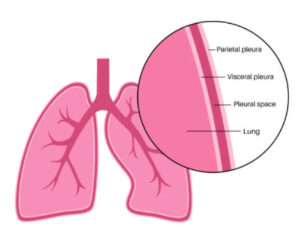 The Mesothelioma Centre defines the disease as “…a rare cancer caused by asbestos exposure, and it develops in the tissue lining the lungs, abdomen, heart, and, in rarer cases, the testes. While it cannot be cured, it is treatable. Chemotherapy, immunotherapy and surgery can extend life and improve quality of life. Early diagnosis significantly improves treatment options and survival.”
Exposure to asbestos can cause miniscule fibres to become trapped in the mesothelium, the protective tissue lining human organs. These fibers cause chronic inflammation and DNA damage, transforming normal cells into cancer. Pleural Mesothelioma that forms in the tissue lining the lungs is the most common type of Mesothelioma. For more information on asbestos exposure and hazards, see the OHCOW web page on Asbestos, and our page on Asbestos awareness week.
Years can pass between the exposure and the presentation of the disease caused by that exposure. Anyone who has reason to believe they have been exposed to asbestos at any point in time is at risk and should have a medical exam.
The Canadian Mesothelioma Foundation
The Canadian Mesothelioma Foundation is a largely volunteer-run registered charity, dedicated to raising awareness and understanding about mesothelioma in Canada. Their website features informative webinars, information about support groups for patients and caregivers, and opportunities to volunteer.
On September 24 they have a Gala Fundraiser in Toronto to raise money for research and treatment.
A Personal Story
In 2023 writer and lawyer Robyn Schleihauf wrote a piece for the CBC about losing her father to the disease of mesothelioma. He contracted it from working in the chemical factories of Sarnia, where Robyn grew up. Sadly this is not a rare tale, as many men and women who worked at the oil refineries, manufacturing plants and factories contracted debilitating and sometimes fatal diseases. There is a memorial in Sarnia’s downtown park called the Missing Worker Memorial that honours workers who have been injured, become sick or died because of their jobs.